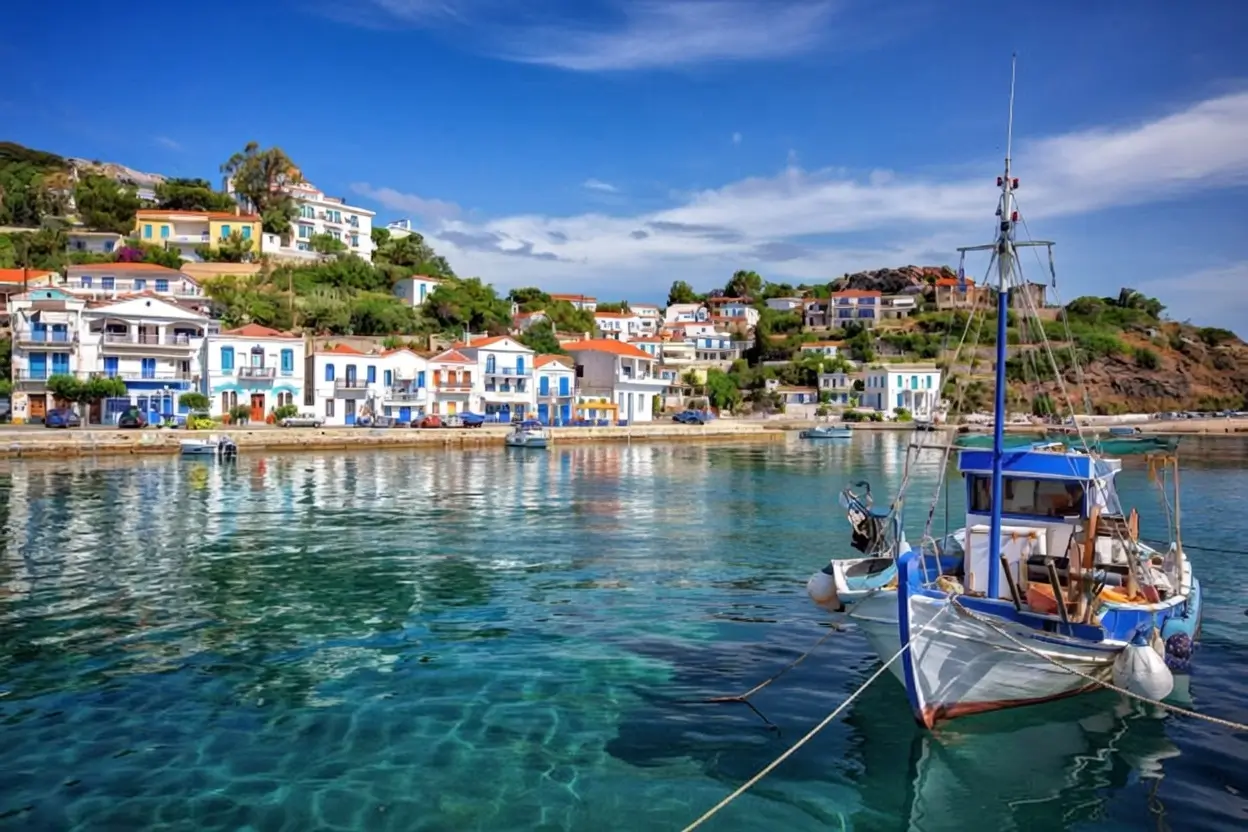
If you ask someone in Ikaria what time it is, don’t expect a straight answer. The locals have a running joke: the time is always “late thirty”—a phrase that captures everything you need to know about this Greek island’s relationship with the clock.
This small, mountainous island in the eastern Aegean Sea has earned a nickname that sounds almost mythical: the island where people forget to die. The statistics back up the legend. In Ikaria, 1% of people reach age 90, compared to just 0.1% in the rest of Europe—ten times the rate. Dementia is virtually nonexistent. Heart disease rates are half what they are elsewhere.
But this isn’t primarily a story about diet or genetics. It’s a story about time.
“People stay up late here. We wake up late and always take naps. I don’t even open my office until 11 a.m. because no one comes before then,” explains Dr. Ilias Leriadis, one of Ikaria’s few physicians. “Have you noticed that no one wears a watch here? We simply don’t care about the clock.”
This isn’t laziness. It’s a fundamentally different way of existing—one where the sun, not the schedule, sets the rhythm of life. And perhaps the Ikarians are onto something the rest of us have forgotten.
Table of Contents
The History Behind the Slowness
To understand why Ikarians live the way they do, you have to understand what they survived.
For nearly 300 years, the entire population of Ikaria lived invisible lives. When the Ottoman Empire took control in the early 16th century, pirate raids became relentless. Rather than flee or fight, the Ikarians did something extraordinary: they disappeared.
They abandoned coastal villages and retreated into the mountains, building “anti-pirate houses”—low-ceilinged dwellings with no chimneys, made of stones that looked like rocks from a distance. They didn’t keep dogs (the barking might alert invaders), cooked without visible smoke, and conducted all business at night. This “century of obscurity” (1521-1601) shaped a culture of invisibility and self-reliance.
The island also became a dumping ground for the unwanted. From Roman times through 1973, Ikaria served as an exile island for political prisoners. During the Greek Civil War (1946-1949), an estimated 13,000 communists were deported there. The Greek government expected the island’s poverty to break them. Instead, the impoverished islanders took the exiles into their homes, fed them, and absorbed them into the community. Many married locals and never left.
This history created a particular worldview: survival depends on community, not institutions. Material wealth means nothing if it makes you a target. Time is yours to spend as you see fit—because no one else is going to dictate how you live.
To this day, Ikaria is nicknamed the “Red Island” due to the leftist beliefs of its residents—a legacy of those absorbed exiles.
A Day in Ikarian Life
What does it look like to live without a schedule? In Ikaria, this isn’t a thought experiment. It’s Tuesday.
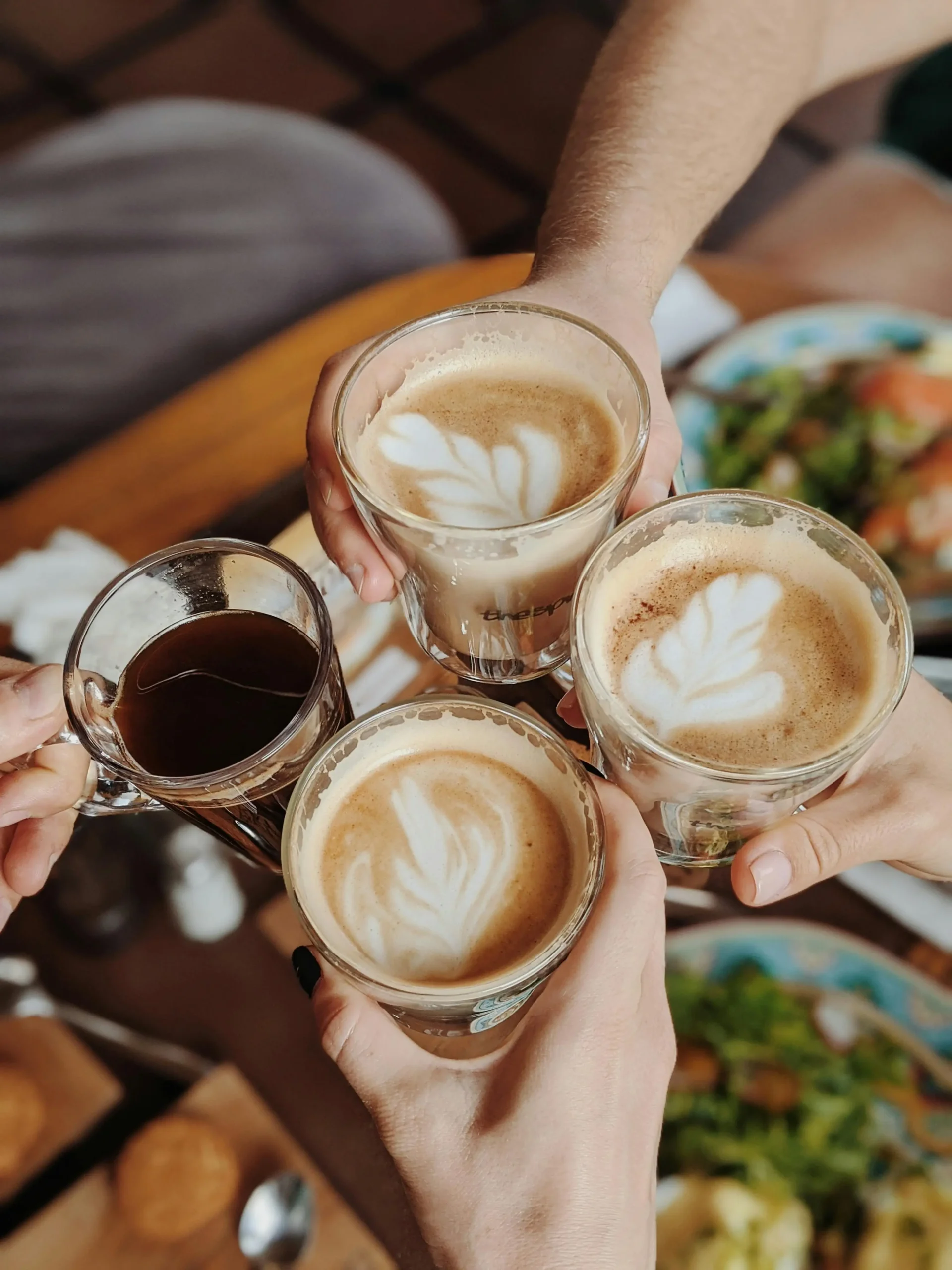
There’s no alarm. The day begins when the body says it begins—usually around ten, sometimes later. A typical breakfast includes goat’s milk yogurt, herbal tea or Greek coffee, whole grain bread, local honey, and sometimes a little wine.
Critically, the day often begins with the outside world. A neighbor stops by. Coffee is shared. News is exchanged. The boundary between personal time and social time doesn’t exist because, for Ikarians, they’re the same thing.
Work happens where you live—tending goats, pruning vines, cultivating vegetables, gathering wild herbs. Physical activity isn’t scheduled at a gym; it’s embedded in living. Visitors often get confused: “afternoon” can mean anything from noon until 6 p.m., and lunch “at 2” might continue until evening. The work always gets done—just on a timeline that includes meals, conversation, and rest.
Around 2 p.m., the main meal arrives, heavy on beans, legumes, potatoes, garden vegetables, and liberal quantities of olive oil. Then comes the sacred pause.
In Greece, “mesimeri” means both “midday” and “quiet time.” From roughly 2-5 p.m., the entire island stops. Streets empty. Shops close. There’s even a law defining this quiet period. This isn’t because there’s nothing to do—it’s because rest is considered as essential as work.
As evening falls, Ikaria wakes again. People gather in village squares to share wine and stories—a ritual that mirrors the aperitivo tradition found across the Mediterranean, where the transition from day to night becomes a moment of connection. A light dinner of bread, olives, and vegetables is followed by socializing until past midnight.
The Ikarian day isn’t organized around productivity. It’s organized around energy—working when work feels natural, resting when rest is needed, socializing when the day’s heat has passed.
The Sacred Afternoon Nap
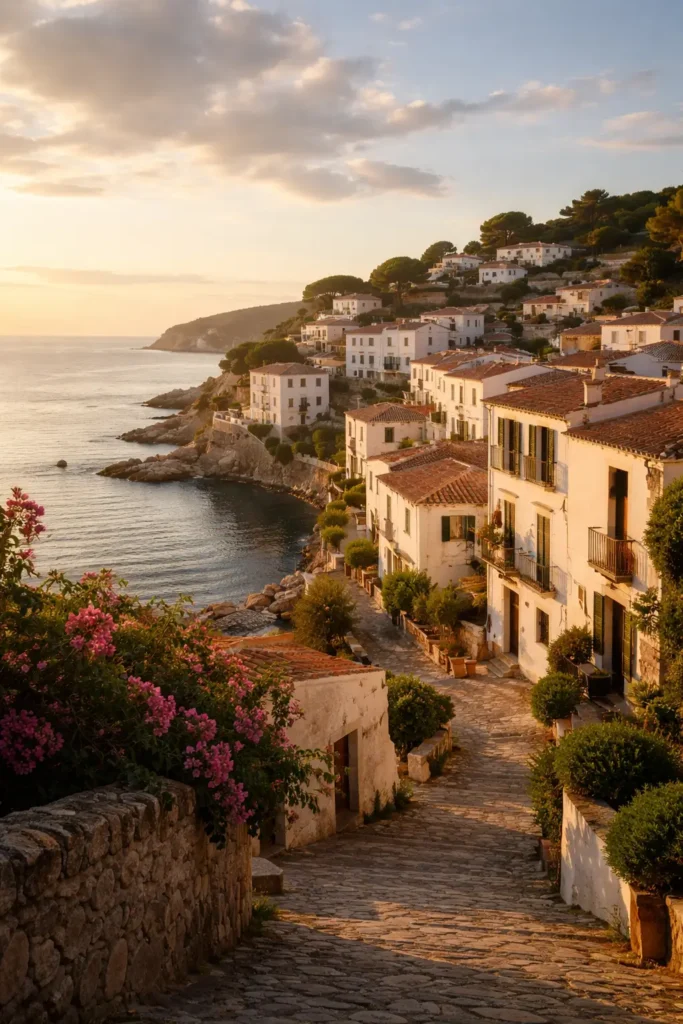
At three o’clock in the afternoon, Ikaria goes silent. This is mesimeri—and science has validated what Ikarians have practiced for centuries.
A landmark 2007 study from the University of Athens and Harvard followed 23,681 Greeks for over six years. The findings were striking: systematic nappers—those who took a siesta of 30+ minutes at least three times per week—had a 37% lower risk of heart-related death. Among working men, regular nappers had a 64% lower risk of dying from heart disease.
The researchers concluded that siesta, possibly through its stress-releasing effects, may reduce coronary mortality.
What does napping actually do? “Sleep has been referred to as a ‘cardiovascular holiday,'” explains Elizabeth McDevitt, PhD, at Princeton Neuroscience Institute. During naps, cortisol drops, blood pressure lowers, and the brain consolidates memories. Other Greek research found that a midday nap lowered blood pressure as much as medication—without the side effects.
The Ikaria Study found that almost all participants over 80 napped regularly. Every single person who had reached their nineties took a daily afternoon nap.
But the siesta isn’t just about sleep—it’s about what it represents. To nap in the middle of the day is to declare that productivity is not the highest value. That rest is a daily right, not something earned through exhaustion.
What makes it work is that it’s communal. When an entire village naps together, there’s no guilt, no fear of missing out, no anxiety about falling behind. Everyone agrees: from 2-5 p.m., the world pauses.
Herbal Teas: The Ikarian Pharmacy
Before there were pharmacies on Ikaria, there were herbs. Sage, rosemary, oregano, mint, chamomile, thyme—and above all, the legendary tsai tou vounou (mountain tea).
“Sage tea with garlic and honey was our penicillin,” explains Yiorgos Stenos, 84. This wasn’t metaphor. This was medicine—and modern science is confirming what Ikarians knew all along.
One key finding: these herbal infusions act as mild diuretics, helping lower blood pressure naturally. This may explain why cardiovascular disease rates are so low on the island.
Mountain tea (Sideritis scardica) is the crown jewel. Research shows it has antidepressant, cognition-enhancing, and neuroprotective properties. Studies found it reduces amyloid-beta plaques in Alzheimer’s mice and improves cognitive function in healthy adults. Local physicians report remarkably low dementia rates in regions where Sideritis tea is consumed daily.

Sage has been beloved since prehistoric times—a Minoan fresco from 1400 BC shows Greeks drinking it. Studies suggest two cups daily can increase blood antioxidant levels and improve cholesterol profiles. Rosemary has been linked to dementia protection due to its high antioxidant content. Oregano—yes, the pizza herb—soothes digestion and has antiviral properties. The method matters too. Ikarians steep herbs for a full 10 minutes, covered, often sweetened with local honey. This isn’t rushed tea-bag dunking—it’s a ritual, a pause in the day to prepare something healing.
Ikarians don’t drink herbal tea as medicine. They drink it as part of living—morning tea upon waking, an infusion after meals, evening tea to wind down. Each cup is both pleasure and prevention.
Panigýria: Dancing Until Dawn
It’s midnight in the Aegean. In the courtyard of a small village church, a violin weaves through the darkness. Hands reach out, linking together. The circle forms.
This is the panigýri—and it might be the most important medicine of all.
Between May and October, Ikaria hosts two to four of these all-night village festivals per week—more than fifty during summer months. Each is associated with a patron saint’s feast day, but Ikarians don’t need much excuse to gather. The format is simple: live music playing the hypnotic Ikariotikos dance until dawn, tables filled with slow-roasted goat and local red wine, and everyone—everyone—dancing.
“People of all ages dance together in a circle, and the energy that emerges is fabulous,” says Katerina Gerner, a yoga instructor who spends half the year on the island. “It’s like entering a trance.”
The Ikariotikos, believed to date to the 15th century, isn’t performance—it’s participation. The health benefits are real: cardiovascular workout, improved coordination and balance, stress relief, enhanced mood and cognitive function. When researchers studied Ikarians over 90, they found that 62% still attended festivals regularly.
People in their nineties, dancing until dawn. Think about that.
But it’s more than entertainment. “These celebrations had an economic, social, and symbolic function,” explains ethnologist Panagiota Andrianopoulou. “It is the moment when local values are consolidated—hospitality, openness, acceptance of the other.”
At a panigýri, a 90-year-old dances next to a teenager. A tourist locks arms with a fisherman. The usual hierarchies dissolve. This is social medicine at its most powerful—organic human connection sealed by shared movement and shared meals.
What Science Says
What Science Discovered
University of Athens · 1,410 participants · 300+ parameters
Lessons for Your Life
You’re not going to move to Ikaria. But the point isn’t to replicate their life—it’s to recognize that the way most of us live isn’t inevitable. It’s a choice.
Here’s what you can actually do:
Reclaim time. Pick one day a week where you don’t check the clock. Let meals happen when you’re hungry, sleep when you’re tired. Notice how it feels to let your body’s rhythms guide you.
Protect the pause. Block 20 minutes after lunch for actual rest—not scrolling, not “resting while checking email.” Studies suggest you’ll be sharper for the rest of the day.
Drink your medicine. Replace one coffee or soda daily with a properly steeped herbal infusion (5-10 minutes, real herbs). Sage and rosemary grow easily in a windowsill pot. Over a lifetime, these small doses of antioxidants accumulate into measurable protection.
Move without exercising. Ikarians don’t go to gyms—they move constantly through daily life. Take phone calls walking. Park farther away. Garden. The research is clear: incidental movement throughout the day beats intense exercise followed by hours of sitting.
Build rituals of connection. Create one non-negotiable weekly gathering—dinner with friends, coffee with a neighbor, a standing phone call. Make it recurring, automatic, immune to cancellation. The Ikarians stay connected because their culture makes connection unavoidable. You’ll have to build that structure deliberately.
Eat together, slowly. Designate one meal daily as sacred: no phones, no TV, at least 20 minutes. Taste your food. If you live with others, eat together.
Find your version of dancing until dawn. What activity combines movement, people, and joy? A pickup game, a hiking group, a choir, a monthly potluck? The specifics don’t matter. What matters is that it happens regularly.
After all the research, the Ikarian secret is almost disappointingly simple: they’ve built a life worth living. Not optimized for productivity. Not organized around work. A life where rest is sacred, connection is constant, movement is natural, and time belongs to them.
This isn’t a diet plan or a biohack. It’s a philosophy—one that echoes across the entire Mediterranean way of living, where wealth is measured not by what we accumulate, but by how fully we experience each ordinary day.
The goal isn’t just to add years to your life—but life to your years.
References
- Panagiotakos DB, et al. “Sociodemographic and Lifestyle Statistics of Oldest Old People (>80 Years) Living in Ikaria Island: The Ikaria Study.” Cardiology Research and Practice. 2011. PMC3051199
- Naska A, et al. “Siesta in Healthy Adults and Coronary Mortality in the General Population.” Archives of Internal Medicine. 2007;167(3):296-301. Full text
- Legrand R, et al. “Description of Lifestyle of People ≥90 years Living in Ikaria, a Longevity Blue Zone.” Int J Environ Res Public Health. 2021. PMC8296328
- Chrysohoou C, et al. Greek coffee consumption and endothelial function studies. University of Athens Medical School.
- Behrendt I, et al. Sideritis scardica and cognitive function. Journal of Ethnopharmacology.
- Danish Twin Study on genetics vs lifestyle in longevity.
- Buettner D. The Blue Zones: Lessons for Living Longer from the People Who’ve Lived the Longest. bluezones.com
What is Ikaria and why is it called a Blue Zone?
Ikaria is a small Greek island in the eastern Aegean Sea where people live significantly longer than average. It’s recognized as one of the world’s Blue Zones—regions identified by researchers where residents routinely live past 90 with low rates of chronic disease and dementia.
Why do people in Ikaria live so long?
Ikarian longevity comes from a combination of factors: a plant-based Mediterranean diet rich in olive oil and herbal teas, daily physical activity built into daily life, strong social connections, regular afternoon naps, and a relaxed relationship with time and stress.
What is the traditional Ikarian diet?
The Ikarian diet emphasizes vegetables, legumes, whole grains, olive oil, and locally foraged herbs. Meat is eaten sparingly, usually only a few times per month. Herbal teas—especially mountain tea (Sideritis)—are consumed daily and act as natural medicine.
Do afternoon naps really help you live longer?
Research suggests yes. A study of 23,681 Greeks found that those who napped regularly (at least 30 minutes, three times per week) had 37% lower risk of dying from heart disease. In Ikaria, the afternoon siesta remains a daily ritual across the island.
What can I learn from the Ikarian lifestyle?
Key lessons include: prioritizing rest and sleep, building movement into daily routines rather than formal exercise, drinking herbal teas, eating meals with others, cultivating strong social bonds, and letting go of the obsession with schedules and productivity. Research suggests genetics account for only 20-30% of longevity—the rest is lifestyle.

Reflections on AI from the Mediterranean